
About the island

The only village on the island of the same name

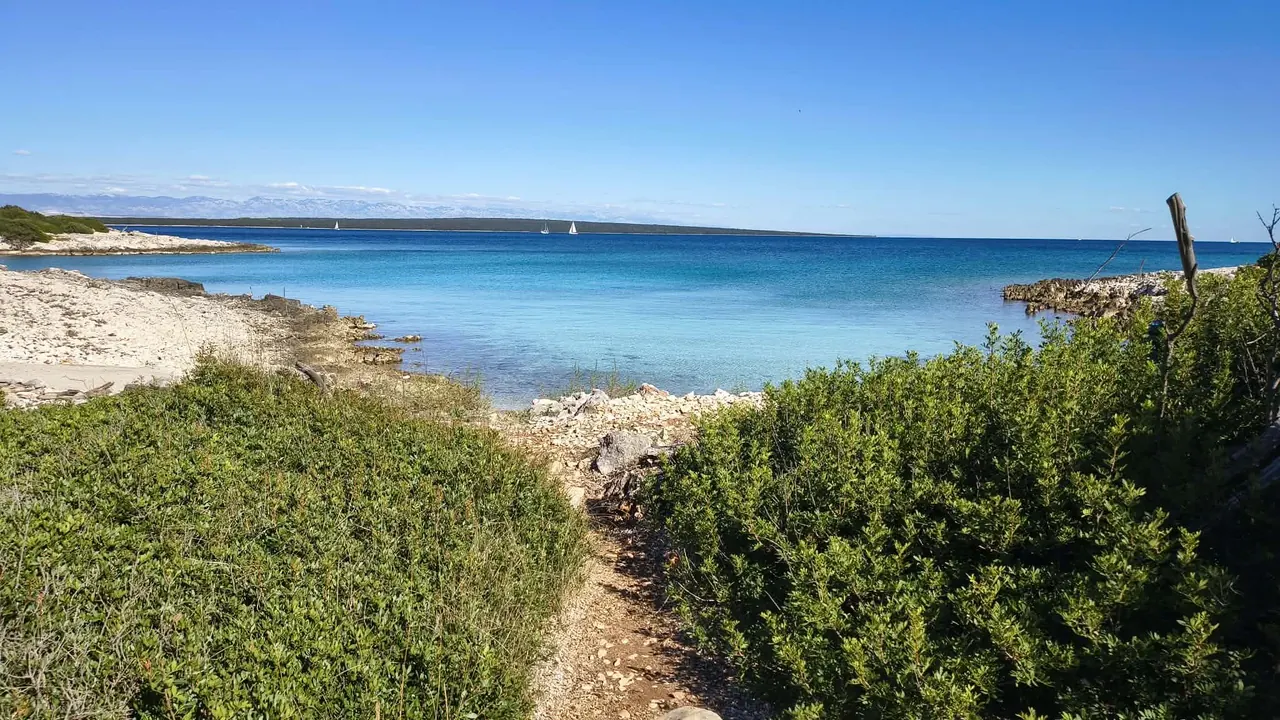
Olib lies in the northern Zadar archipelago: 26 km² of olive groves, stone walls and sandy bays, one village and fewer than 100 year-round residents.

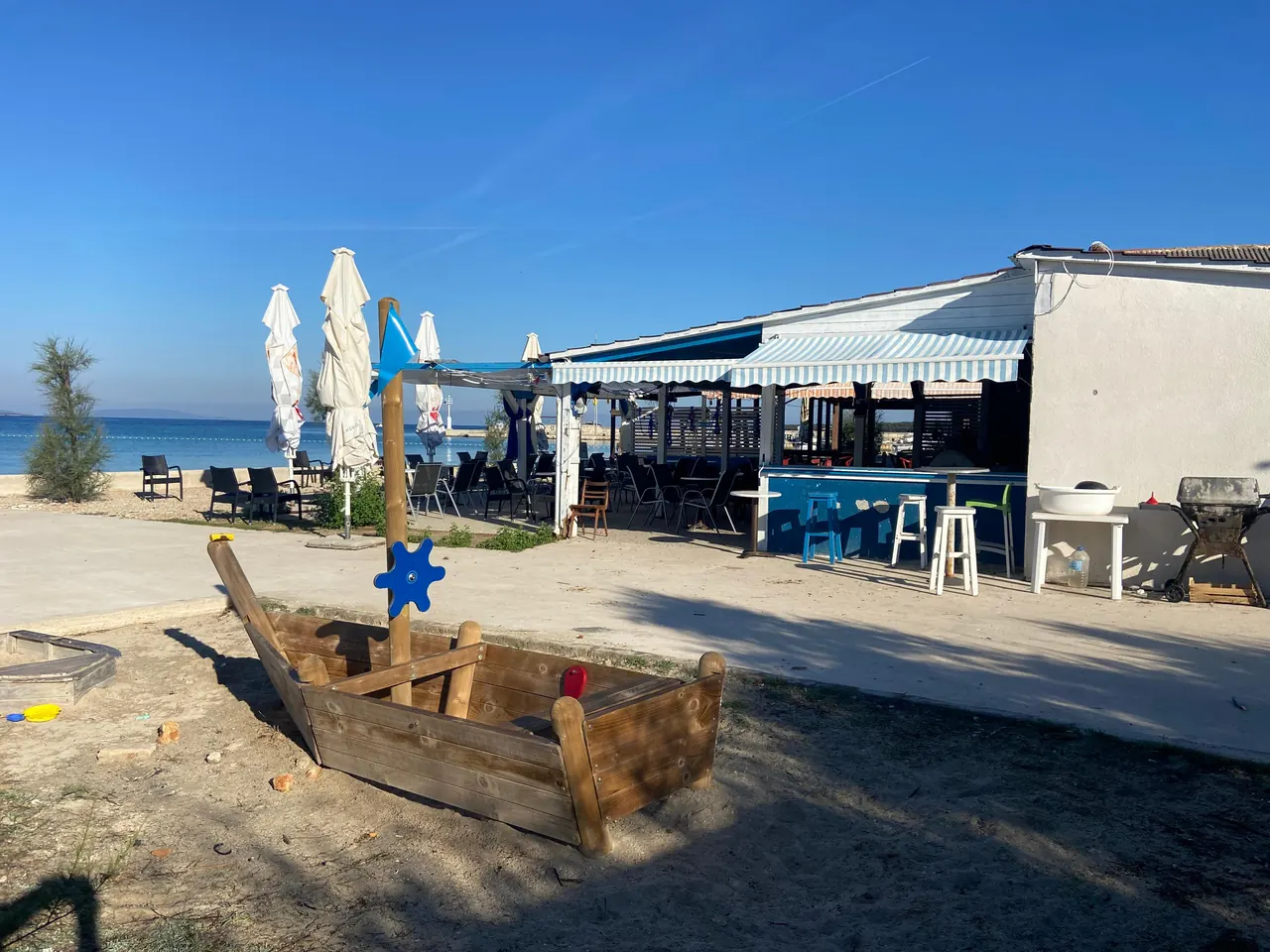
Beach bar with umbrellas and a wooden boat sandpit for children on Olib

Kid-friendly island

Safe lanes to run, cycle and play.

There are no cars or public asphalt roads for traffic on Olib. Locals get around on foot, by bicycle or in small electric golf carts.

This removes everyday traffic, so kids can freely run, cycle and play along the wide stone alleys and village paths without the danger of oncoming vehicles.
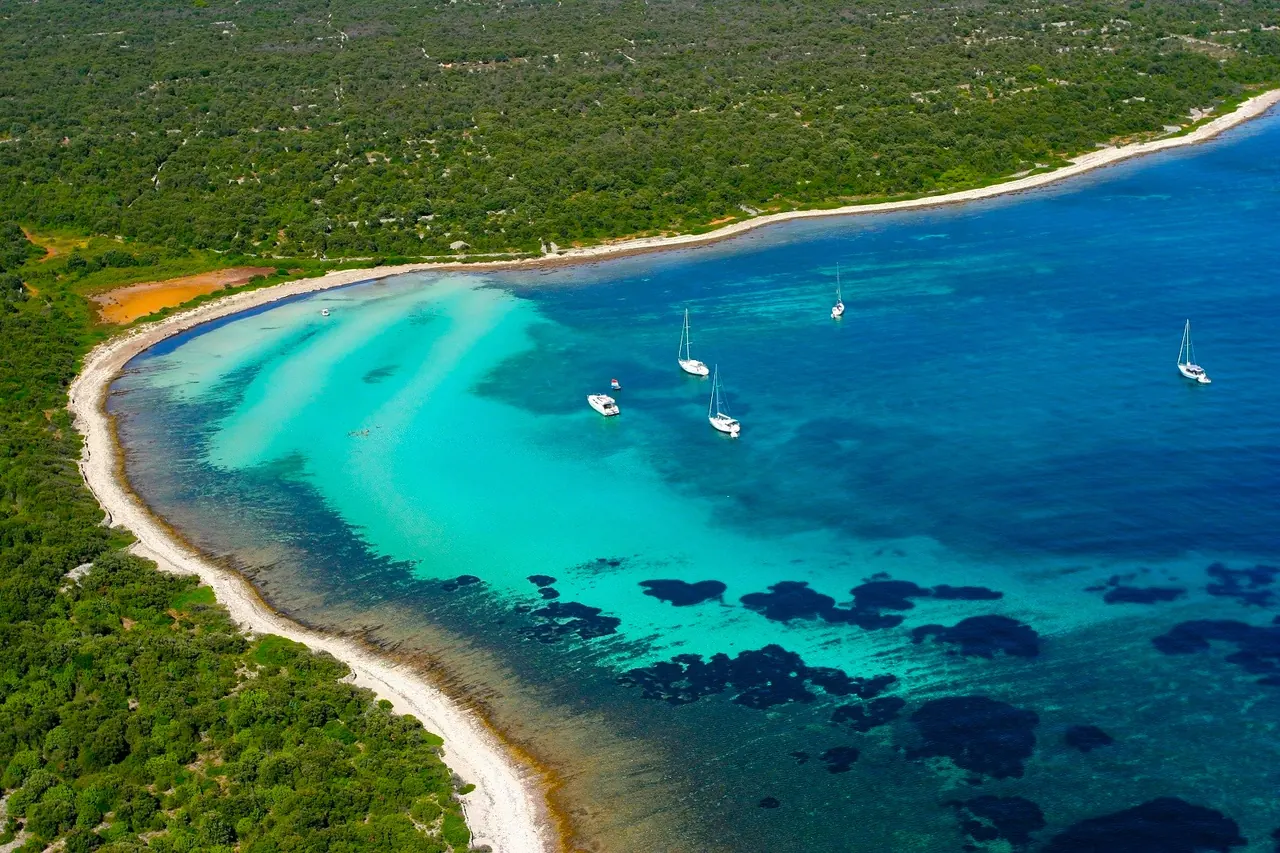
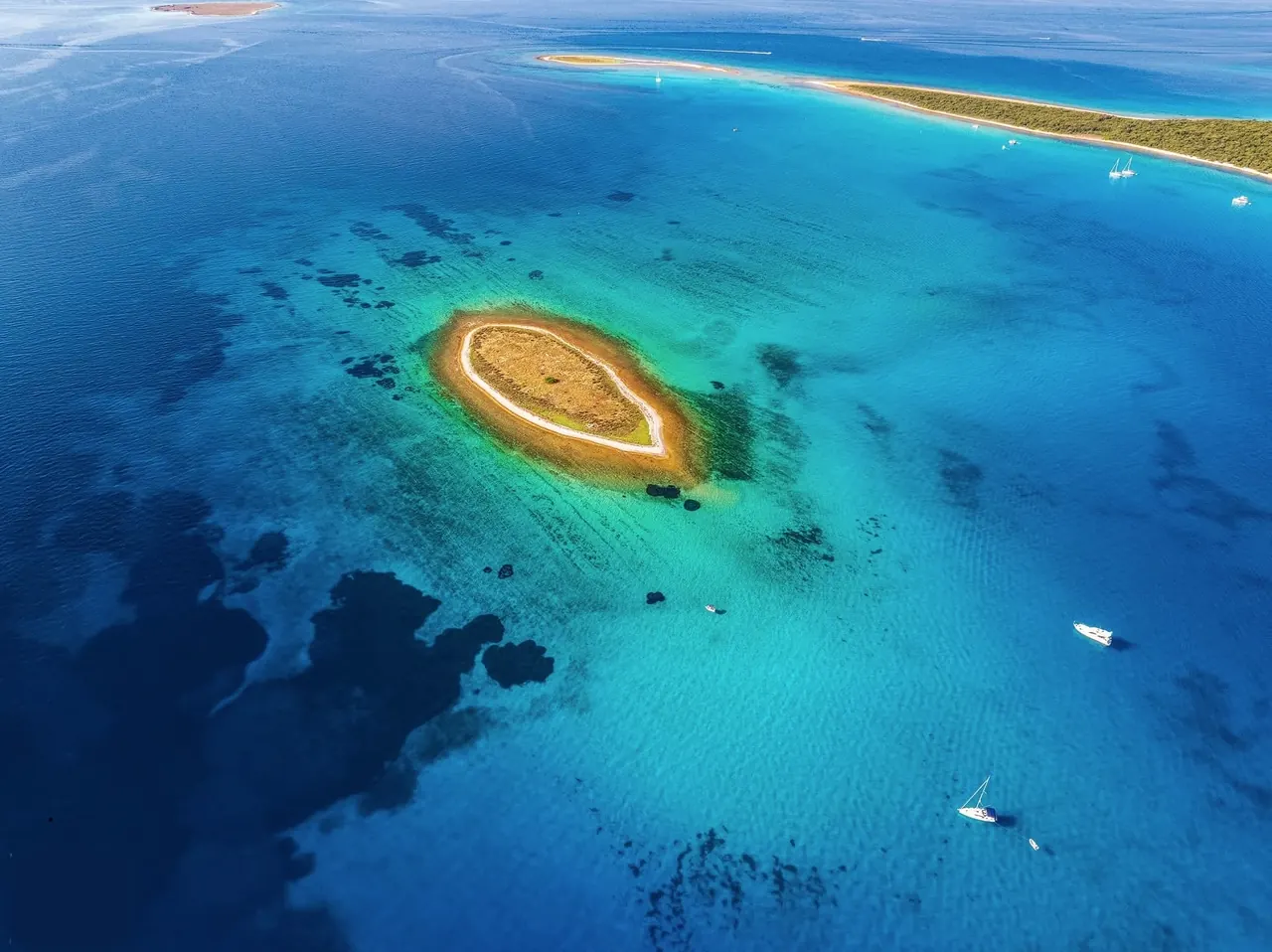
Aerial view of a long sandy beach with turquoise water and sailboats at anchor Aerial view of a small islet ringed with sand in deep blue sea

A “King of Sandy Beaches”

And water sports in shallow, warm bays.

The Croatian coast is mostly rocky, but Olib is the exception and is often called the king of sandy beaches. Bays such as Slatinica have long stretches of fine sand where children can safely wade dozens of metres through knee-deep water.

Thanks to the shallow, sandy seabed the water warms up much faster than in the deeper rocky coves of neighbouring islands. The calm, shallow water also makes these bays ideal for kayaking and paddleboarding.

Path between two old dry-stone walls under trees Two walkers on a stony path beside a dry-stone wall among green trees

History at every step

Stone by stone, since the 15th century.

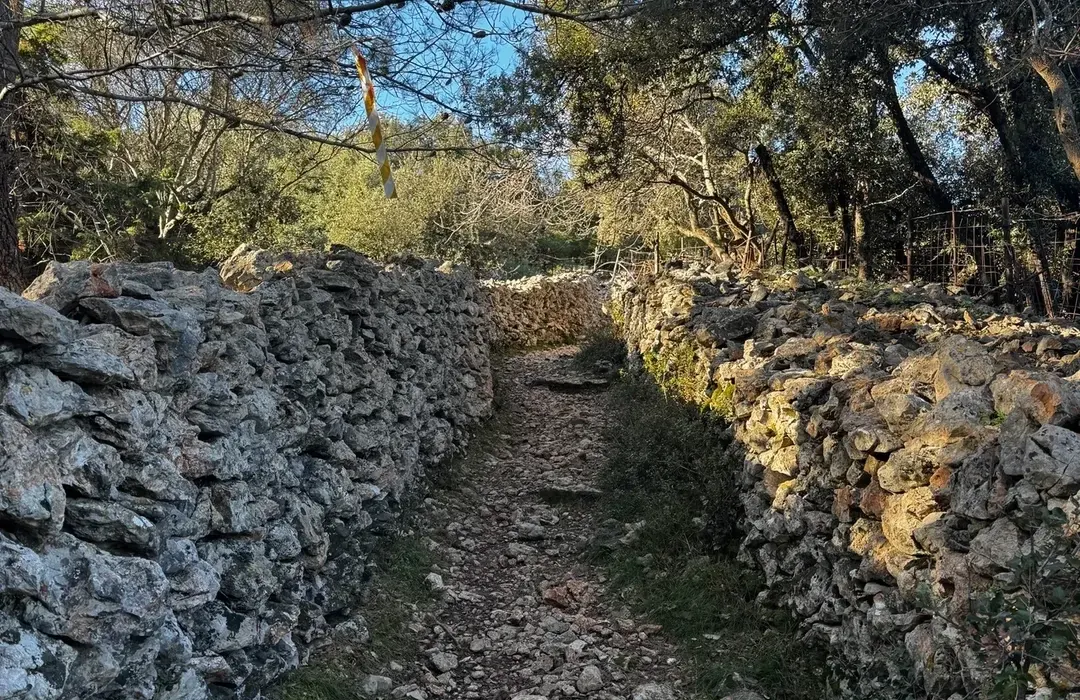
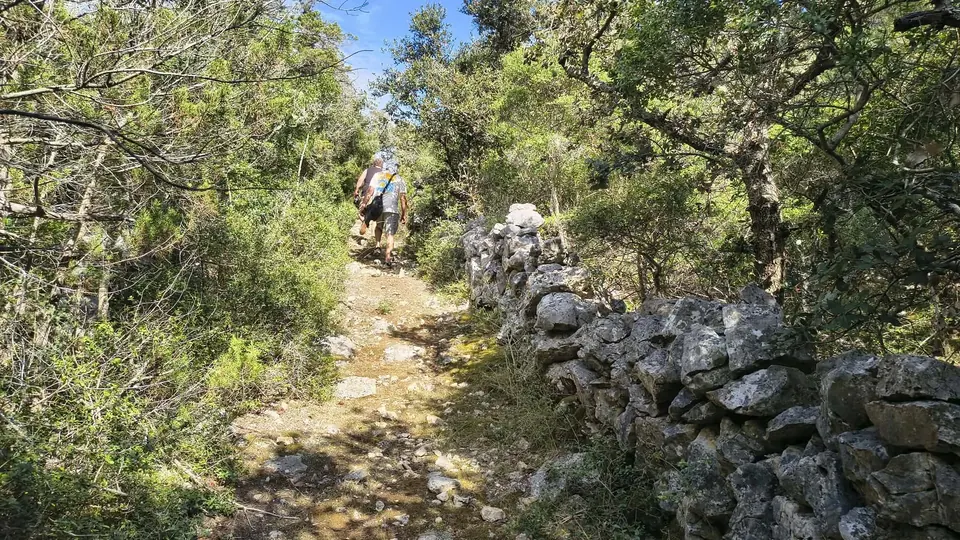
Newcomers and refugees of the 15th century gradually expanded fields, vineyards and olive groves, but the stony soil forced them to clear the stones and stack them along the edges of their plots.

That is how the dry-stone walls (suhozid) were born. They served as boundaries, as protection from the wind and as a network of paths connecting homes with the shore.

2018The art of dry-stone walling is on UNESCO’s list of Intangible Cultural Heritage.

The square stone Kula defence tower with battlements, surrounded by greenery White stone church on the village square under a blue sky

The heritage of farmers and pirates

From Roman antiquity to the Kula tower.

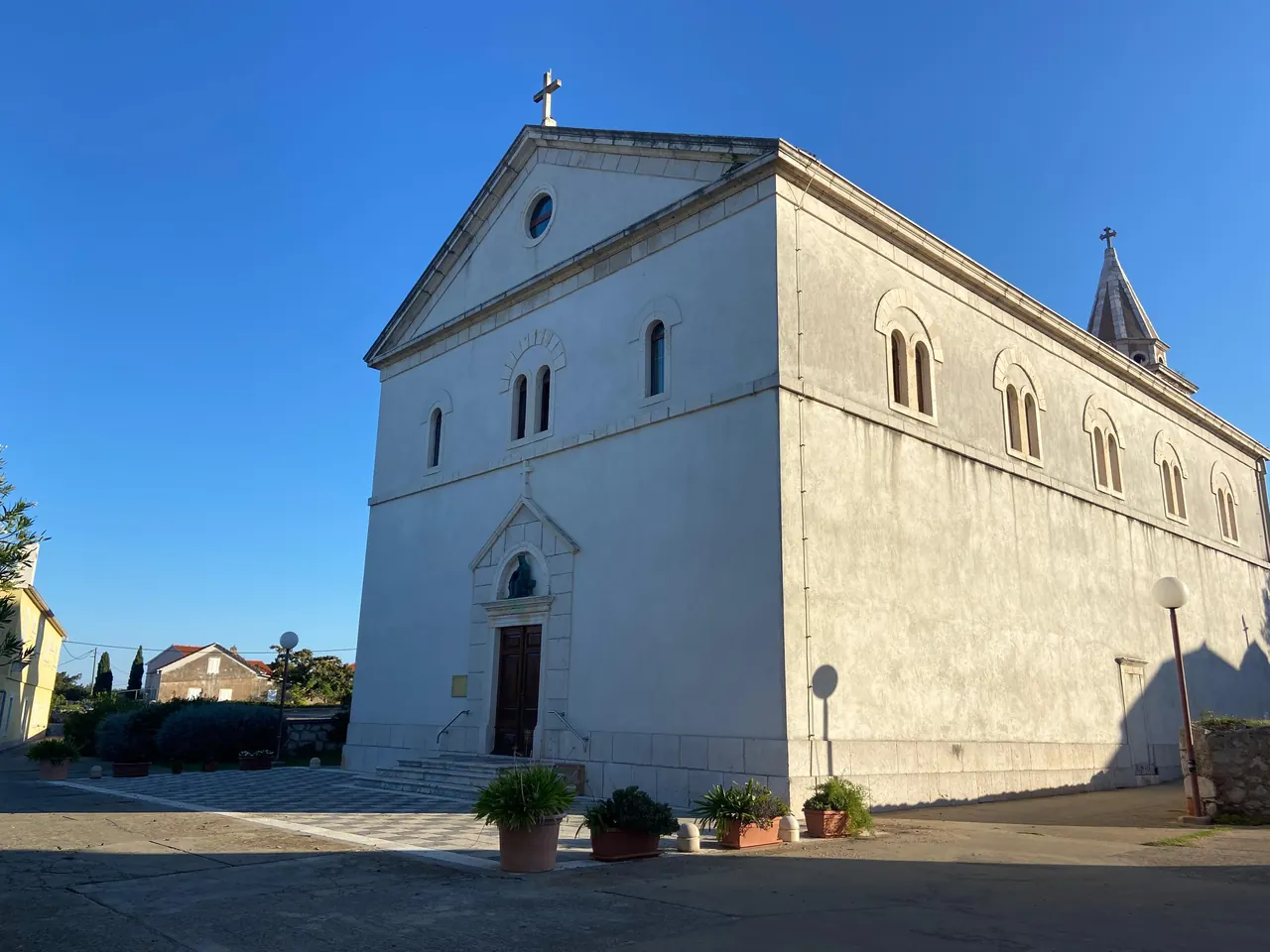
Olib’s history reaches from Roman antiquity through Venetian rule to the 15th century, when Ottoman conquests triggered waves of migration. Its strategic position on sea routes also brought great danger.

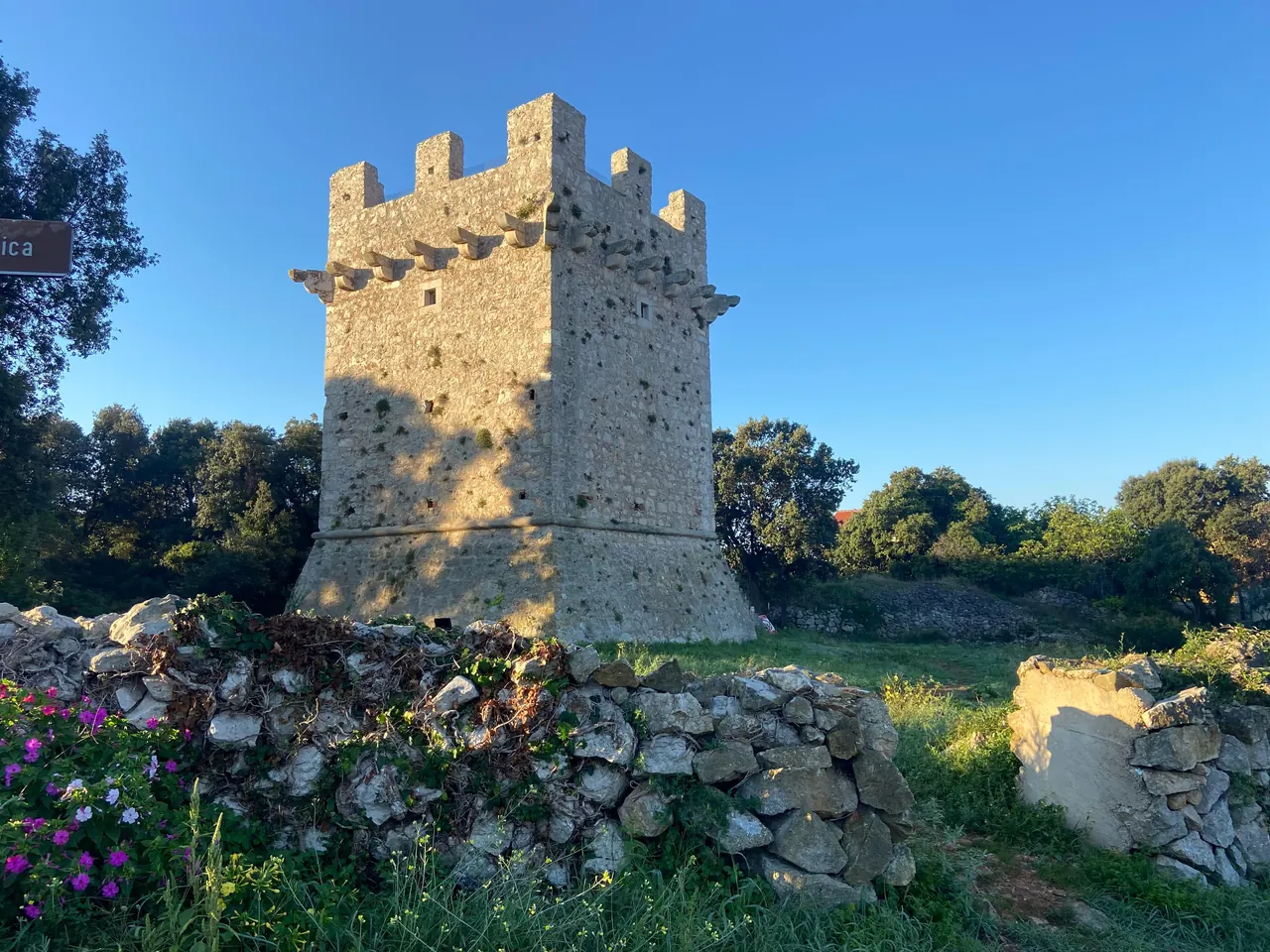
In the 16th and 17th centuries the waters around Olib were hunted by the Uskoks of Senj raiding Venetian galleys, followed by devastating raids of pirates from Ulcinj. To defend themselves, the islanders built a fortified defence tower, the Kula, in the centre of the village in the 17th century.

1900The islanders bought the whole island from the Zadar nobleman Donato Filippi.

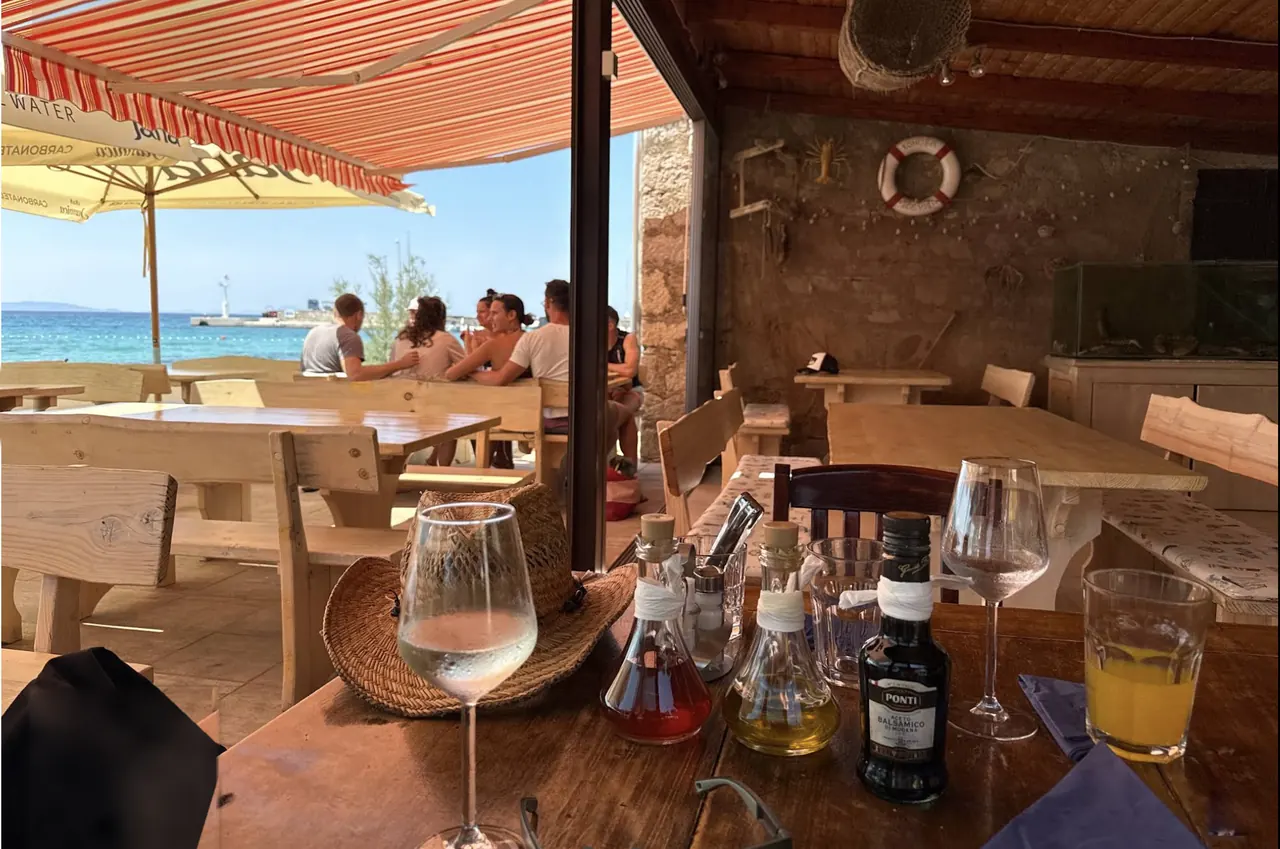
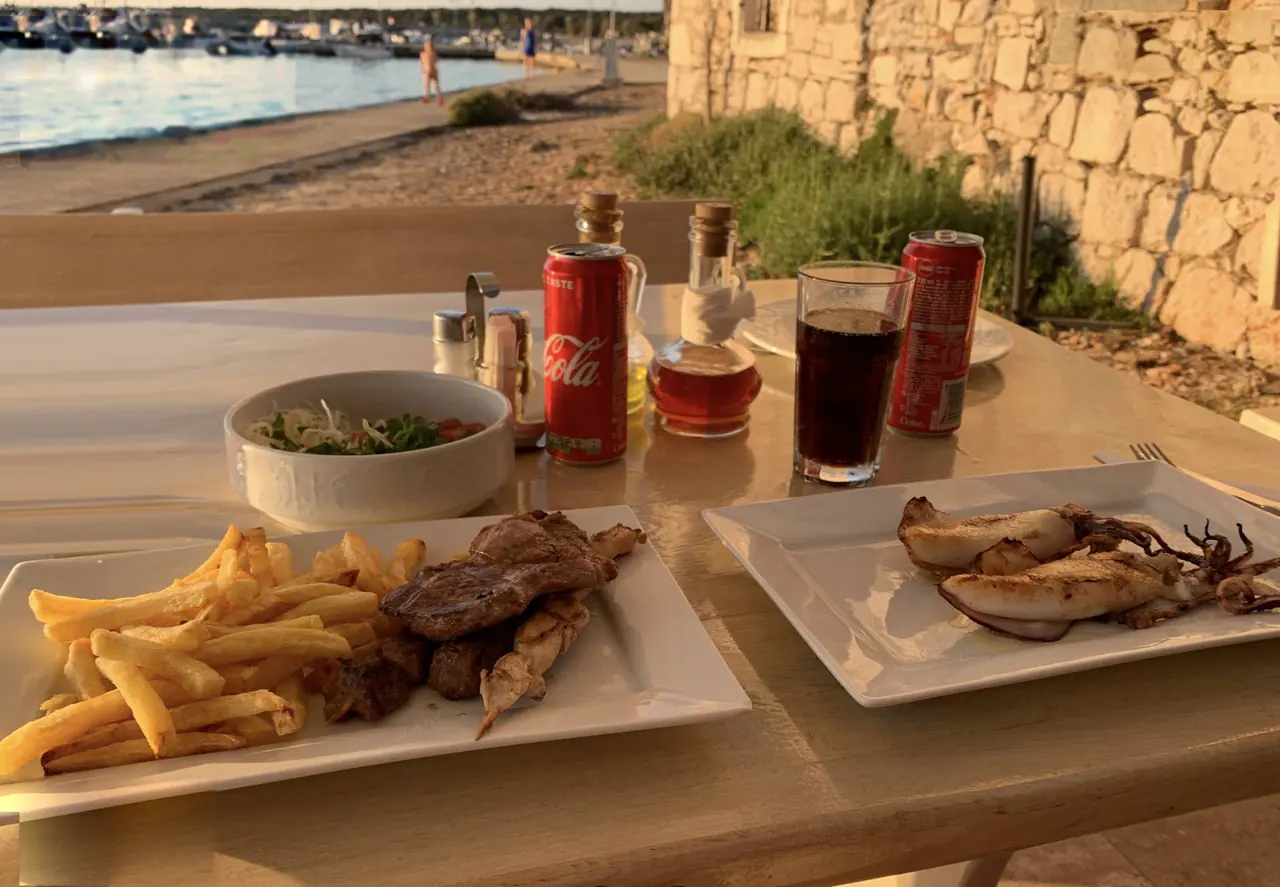
Shaded konoba terrace with wine glasses and olive oil on a wooden table, the sea behind Grilled squid and meat with fries on a table by the beach at sunset

Food and fish straight from local fishermen

Good wine and Mediterranean cooking.

Enjoying good wine and Mediterranean cooking rich in fish from local fishermen is one of the most authentic experiences the island offers. The shallow and deeper waters around the nearby islets are home to top-quality Adriatic species.

You can even buy fish straight from the fishermen:

gilt-head bream (orada) · sea bass (brancin) · scorpionfish (škarpina)

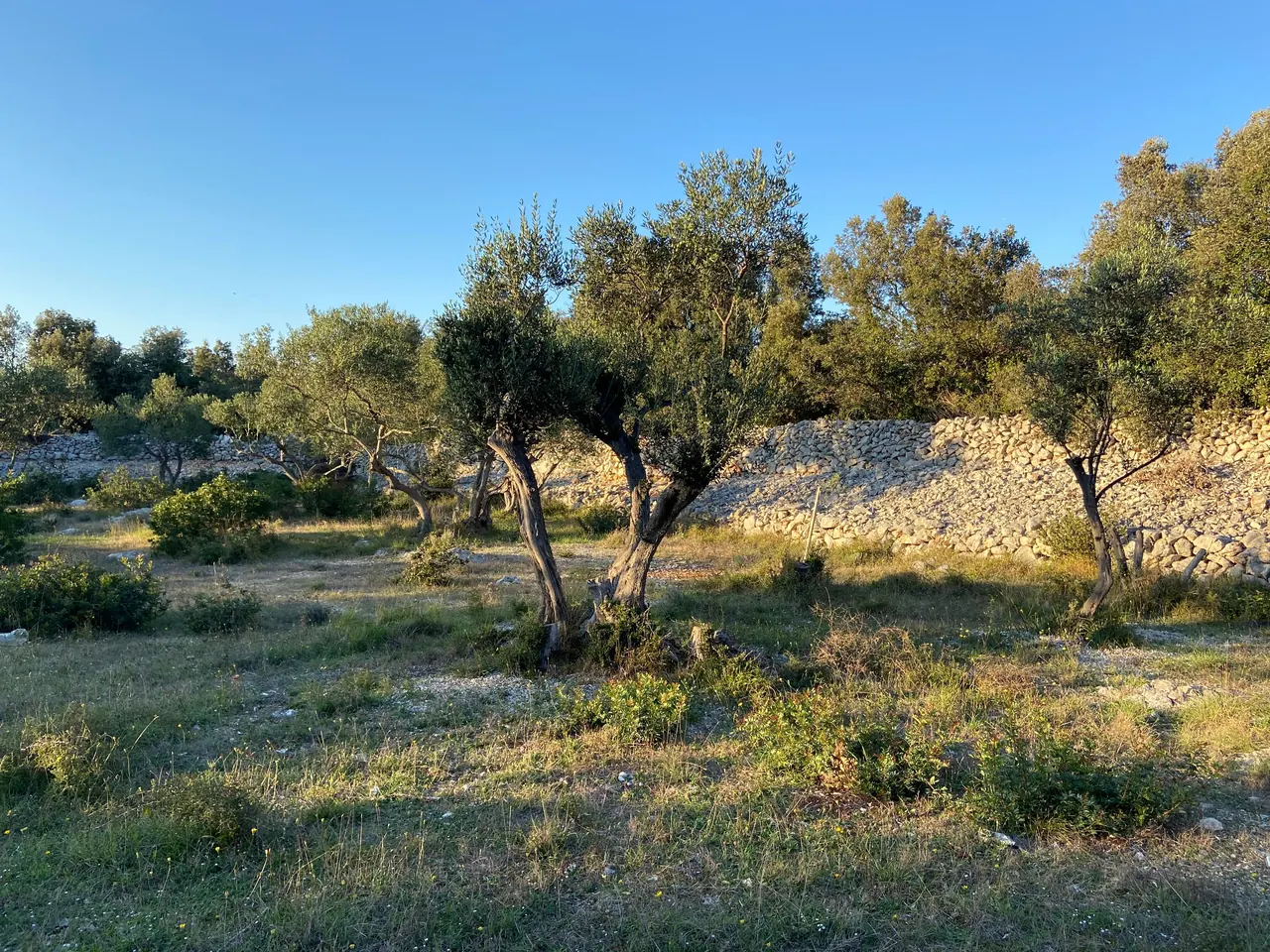
Old olive trees in a grove bordered by a dry-stone wall in evening light

Olib olive quality

Olives that thrive on hardship.

The limestone soil on Olib is remarkably thin, and the island has no natural freshwater sources. To survive hot Mediterranean summers and the punishing winter bura winds, the olive trees live under intense environmental stress.

This stress makes the olives produce high amounts of polyphenols, the natural antioxidants that protect the tree. When pressed, these compounds pass into the oil and give it its intense, peppery character.

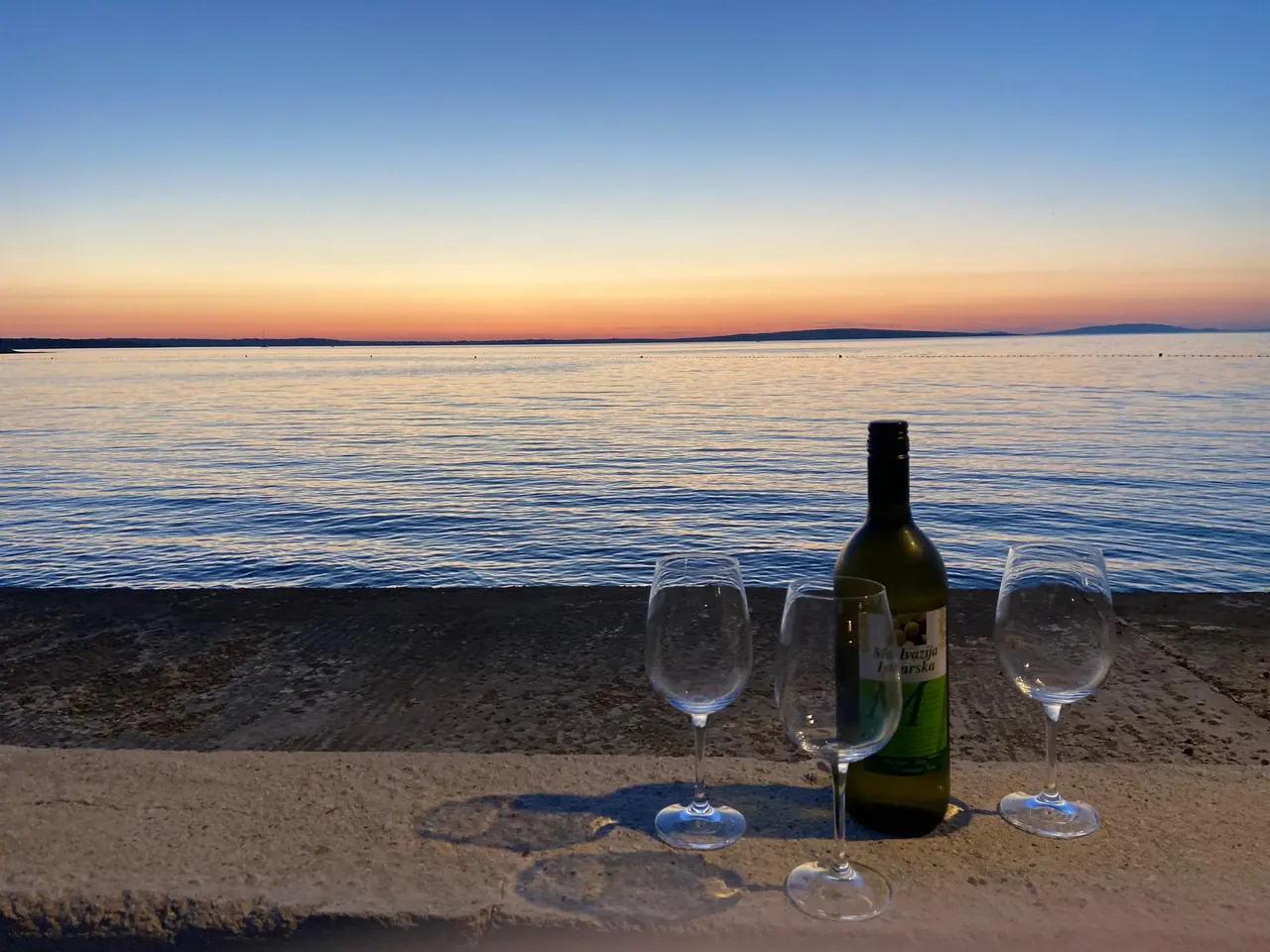
Bottle of local wine and three glasses on a stone wall by the sea at sunset

Endless sunsets

A glass for the end of the day.

Across human history, sunset was the ultimate signal to halt labour, gather with others, and retreat to safety. That deep-seated association makes sunset feel like a natural permission slip to stop productivity and just exist for a few moments.

Watching the horizon forces visual focus outward to infinity. This physical eye relaxation triggers a parasympathetic nervous system response, slowing the heart rate and lowering cortisol levels.

Your base on Olib

Work here, live the island

Blue House stands in Olib village and is open all year round.

Check availability Where is Olib?